Forty-two percent of Australian adults have played a pokies machine at least once in the past year. That figure sits inside the latest national gambling survey data and it tells a story about habit rather than hype. The hum of a pub floor in Redfern at midnight sounds different from the quiet click of a mouse in a Surry Hills flat, yet the impulse driving both is stubbornly similar. Players chasing a powered up pokies feature Australia experience the same dopamine loop, only the delivery mechanism has shifted from coin hoppers to animated screens. Moving online for the first time feels less like choosing a game and more like entering a room where the lights have changed colour without warning.
A regular who has spent years feeding two dollar coins into a Crown casino terminal will notice the differences immediately. The screen is sharper, the paytable sits closer to the reels, and the bonus rounds arrive with a fanfare that can feel either thrilling or exhausting depending on your mood. The jump from a licensed venue floor to an offshore hosted site is not a small step, and it is worth treating it like a financial decision rather than a casual pastime. Someone with a background in equity markets knows that the first rule of any new platform is to read the terms before you trust the interface.
What counts as a powered up feature

A standard pokies game pays out when matching symbols land on a payline, but a powered up variant adds layers that change the maths underneath the graphics. Free spins, expanding wilds, and pick-em rounds all fall into this category, and each one alters the expected return in a way that a casual player rarely stops to calculate. The trick is to identify which layer actually matters for your bankroll rather than which one looks loudest on the screen. A sensible first move is to open the paytable tab and read the feature trigger conditions before you press spin, because a game that advertises a flashy bonus can still carry a high volatility that drains a modest balance in minutes.
Some operators bundle these enhancements under a single label and market them as a powered up pokies feature Australia wide, which is mostly branding rather than a technical standard. The phrase itself tells you very little about the underlying RTP or the hit frequency, so treating it as a shortcut to quality is a mistake. A better approach is to compare the stated return percentage across three similar titles and note the spread, because a two percent difference compounds quickly over a long session.
How the first deposit actually works
Setting up an account on a new site usually takes around ten minutes if you have your details ready, but the verification step often stretches that timeline by a day or two. You will typically need to upload a driver licence or passport and a recent utility bill, and the platform will hold your withdrawal until those documents clear. Say you deposit fifty dollars to test the waters, and you should treat that money as the cost of learning the interface rather than as a stake you expect to recover. A player who understands cashflow knows that a small test deposit reveals more about a platform’s reliability than a large one ever could.
Payment methods vary, and the processing window depends on whether you are moving money in or out. A credit card deposit usually appears instantly, while an e-wallet withdrawal can take two to five business days depending on the provider. Anyone who has ever waited on a settlement cycle in a trading desk recognises the same patience requirement here, because the timing is dictated by the backend rails rather than by the front-end promise.
Reading the paytable without the jargon
The paytable is where the real rules live, and it is also where most first-time online players stop reading after the first screen. You need to check three things before you commit any serious time: the number of paylines, the symbol hierarchy, and the conditions that trigger any bonus round. A game that offers twenty-five fixed lines behaves very differently from one that lets you toggle ten to fifty, and the difference shows up in how often you see a return on any given spin.
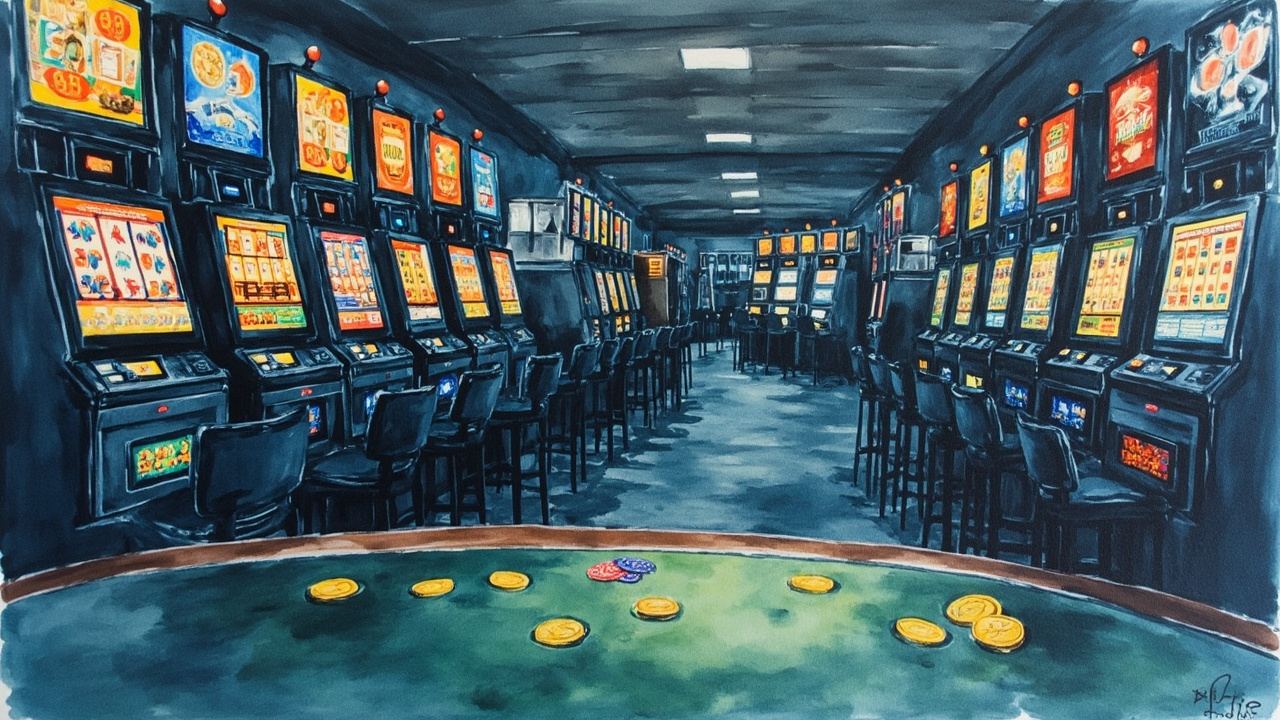
Volatility is the word that separates a steady grind from a boom-or-bust cycle, and it is usually described in the help section rather than on the main lobby page. A low volatility title pays small amounts frequently, while a high volatility one holds back for longer stretches and then delivers a larger hit. The trade-off is simple: you accept fewer small wins in exchange for a chance at a bigger feature payout, and that choice should match the size of the bankroll you are willing to risk.
Bonus rounds and the maths underneath
A bonus round is not a separate game, it is a conditional state that the base game enters when specific symbols land in specific positions. Free spins are the most common form, and they often come with a multiplier that applies to every win during that sequence. Some titles also include a pick-em screen where you reveal instant prizes, and the expected value of that screen is usually lower than a straightforward free spins trigger because the payouts are capped.
The maths behind these features is not magic, it is a weighted probability table that the operator sets before the game goes live. A player who treats a bonus round as a guaranteed win is misreading the screen, because the same random number generator that runs the base game runs the feature too. A prudent approach is to note the trigger frequency listed in the information tab and decide whether the waiting time between triggers fits the session length you had in mind.
Where the licensed venue comparison holds up
A pub floor in Sydney still runs the same basic mechanics that it did a decade ago, and the physical presence of a machine does not make it safer or more predictable than a screen at home. The difference is mostly environmental: a venue has staff, a regulated machine cabinet, and a fixed location, while an online site runs on servers you cannot see and terms you have to find yourself. The heritage-listed Adelaide Casino building inside the old Adelaide Railway Station is a reminder that physical venues carry their own history and their own overhead, and that overhead is part of why the same game can feel different depending on where you play it.
A regular who is used to the rhythm of a local club should not assume that the online version will match the same pacing. The spin button is faster, the autoplay function removes the pause between rounds, and the absence of a bartender or a mate at the next machine changes the social brake that often slows a session down. A player who recognises that loss of friction is already halfway to managing it, because awareness is the only tool that works when the machine itself is designed to keep you clicking.
Checking the operators and the fine print
The first thing to look for on any site is the licensing information, usually buried in the footer, and the second is the terms attached to any promotional offer. A welcome bonus can look generous until you read the wagering requirement, which is often stated as a multiple of the deposit plus the bonus amount. Say you receive a one hundred dollar package and the requirement is thirty times that figure, you are looking at three thousand dollars of turnover before a withdrawal is permitted, and that is a real constraint rather than a formality.
The media has flagged misleading advertising in this space more than once, and the ABC’s Mediawatch program has run segments on how bonus offers can be presented in ways that obscure the real cost. Anyone who has spent time reading a contract before signing it will recognise the same pattern here: the headline number is designed to catch the eye, while the conditions are written to protect the operator. A careful reader checks the expiry window on the bonus, the game weighting that applies to the wagering, and the maximum bet limit that applies while the bonus is active. Presscouncil
A block of plain questions
Do powered up pokies pay out more often than standard ones?
Not necessarily, because the feature layer changes the size and frequency of wins rather than the underlying hit rate, and a high volatility bonus game can still go dry for long stretches.
Is a higher RTP always the better choice?
A higher return percentage helps over a very large number of spins, but it does not guarantee a session outcome, so a player with a small bankroll may prefer a lower volatility title that returns small amounts more regularly.
Should I trust a site because it looks polished?
No, because a clean interface is a design choice rather than a compliance signal, and the only things that matter are the licensing details, the terms on the bonuses, and the withdrawal history posted by other users. https://olympus1000au.com/ Abc
A grounded view from the market
Liam Fraser, Senior Market Analyst, Wattle Gaming Partners, has watched the shift from venue floors to hosted platforms closely and he tends to frame it as a distribution change rather than a product revolution. “The technology underneath these titles has improved, but the core risk profile is still set by the operator’s chosen maths, and a glossy screen does not rewrite that equation,” Fraser said. He also noted that the marketing language around enhanced features often outruns the actual player benefit, which is a caveat worth keeping in mind when a lobby page starts sounding like a sales pitch. His view on X is @liamfraser_wgp.
A final judgement
Moving from a pub machine to an online screen is a change of venue, not a change of odds, and the player who forgets that is the one who gets surprised by a depleted balance. Treat the first session as a paid lesson in reading terms, checking volatility, and setting a hard stop before the autoplay function does the work for you. The powered up pokies feature Australia offers is just a label until you have verified the maths, the licensing, and your own limit, and anything less than that is gambling on the packaging rather than on the game.