
Hello, fellow players. Let’s discuss a tool that seldom gets enough attention in a slot player’s kit: mental imagery. The Oink Oink Oink slot runs on a certified Random Number Generator, so the reels are random. But your mind doesn’t need to be. This isn’t concerning magic. It’s about building a mindset that hones your focus, assists you with your money, and gets more fun out of the game. By rehearsing your gameplay in your head, you can approach this farmyard slot with more defined intentions and stronger confidence. This turns a casual spin into something more deliberate. Here is how players in the UK can leverage these mental techniques.
Comprehending the Central Concept of Slot Visualisation
Let’s be clear on what visualisation signifies here. We’re not talking about dreaming on a star for a jackpot. This is a focused mental drill. You use your imagination to build detailed, vivid pictures of enjoying the Oink Oink Oink slot well. Visualise the bright graphics. Hear the cheerful oinks and barnyard tunes. Experience the rhythm of hitting spin. The aim is to instil a positive, regulated approach in your mind before you even access the casino. When you regularly imagine calm and controlled play, you reinforce the brain connections for those behaviours. They turn more automatic when you play for real.
This practice works especially well for a game like Oink Oink Oink. The slot’s fun theme and aspects, like the Piggy Bank Bonus or Free Spins round, offer you perfect anchors for your mental rehearsal. You can picture initiating these features, advancing through the bonus rounds, and choosing smart choices about your bet size. Doing this cuts down the anxiety of the unknown and locks in your understanding of how the game works. For someone in the UK, it changes the slot from a pure luck activity to a form of attentive entertainment. You sense prepared and active, not just a spectator hoping for each spin to land.
This core concept goes beyond simple daydreaming. It’s a structured exercise. You might allocate five minutes before a session settling quietly, respiring steadily, and playing a certain “mental movie” of your ideal gameplay. This movie should contain wins, but also the calm embrace of losses and the measured steps you follow afterwards. Convert this into a ritual. You condition your mind to associate the game with a sense of control. That’s a essential skill in the UK’s responsible gaming culture. It builds the mental fortitude to employ useful tools like deposit limits the way they’re designed to be used.
Visualizing Payline Strategies and Wager Adjustments
Oink Oink Oink has numerous paylines. Visualisation helps you create a personal strategy for employing them. You can mentally practice modifying your bet per line and the number of active lines. Observe the game interface vividly. Envision yourself picking a lower bet across all lines for a longer session. Or imagine concentrating a higher bet on fewer lines for a different tactic. This mental exercise allows you test “what-if” scenarios without using a single penny. It develops your confidence in operating the bet controls correctly.
You can also visualize the link relating your bet size and the game’s volatility. Imagine the steady, smaller wins you receive from covering more lines. Contrast that with the anticipation of a larger, less frequent win from a more targeted bet. Doing this comparison in your head helps you define your goals for each session before it starts. Do you seek for a long, entertaining session to uncover the features? Or a shorter, higher-intensity play? Seeing these strategies unfold in your mind’s eye guarantees you start the real game with a tactical plan already ready.
For a concrete example, imagine a strategic shift in the middle of a session. Imagine yourself commencing with a conservative bet that covers all paylines. After a string of spins, your balance is stable. Now, imagine the deliberate choice to switch tactics. You reduce the number of active lines but boost the bet per line, specifically aiming for the higher-value symbols. Practice the feeling of focus this change offers. Repeating this mentally equips you to make a strategic change confidently when you’re actually playing.
Mind Training for Bankroll Management
One of the top purposes for visualisation is to cement sound bankroll management. Before you begin, close your eyes. Mentally walk through your session. Visualize yourself deciding on a session budget, maybe £20, and see yourself setting that as a hard limit. Picture splitting that budget into smaller betting units, perhaps 50p or £1 spins, to extend your gameplay. Then sense what it’s like to adhere to that plan, whether you’re winning or riding out a quiet spell. This mental rehearsal fosters emotional toughness. It makes sticking to your limits much easier when real money is involved.
You should also picture specific situations. See your balance dip a little, and imagine yourself calmly deciding to lower your bet per spin. Or picture hitting a nice win and mentally “banking” a part of it. The secret is to connect these responsible actions with sensations of control and satisfaction. By repeatedly imagining the act of cashing out some winnings, or stepping away when you hit your pre-set loss limit, you program your mind to execute. This technique is a direct counter to impulsive play, a common danger with fast online slots.
Take the “banking a win” idea further. Imagine you’ve just won £15 from the Piggy Bank Bonus. In your mental run-through, make it realistic. See your balance increase. Feel that spike of excitement. Then, consciously choose to withdraw £10 of that win. Dwell on the satisfaction of cementing that profit. That emotion is often more fulfilling than the short-lived thrill of gambling it away back on the next spin. A detailed rehearsal like this makes the responsible choice appear like a win on its own.
Leveraging Visualisation to Manage Variance and Losses
Variance is part of slot gameplay. Oink Oink Oink is no different. Visualisation prepares you for its unavoidable swings. Be sure to spend time picturing a streak of losses. Feel the emotion that arises. Then envision yourself responding just as you intended. You consult your pre-set loss limit. You inhale slowly. You could step away for a short break. Link this action with a sense of wisdom and control, not defeat. This mental conditioning is essential. It turns a theoretical rule into a practiced, automatic reaction.
On the flip side, you should also visualise managing winning streaks prudently. Picture hitting several wins in a row and experiencing that surge of excitement. Then, imagine yourself calmly choosing to set aside a percentage of those winnings. Or picture reducing your bet size to preserve your profits. By practising this disciplined response during a high-emotion win scenario, you increase the chances you’ll do it when the moment comes. This balanced approach to imagining both sides of variance means you’re emotionally ready for whatever a gaming session can throw at you.
To go deeper, envision the “grey areas” of variance. Envision a session of constant small wins and losses that stays flat. Your balance stays around the starting point for what seems like ages. Picture yourself identifying this as a neutral, perfectly normal outcome. Sense the contentment of having been entertained for your allotted time, without any major financial change. This mental preparation for flat periods is crucial. It’s during these phases that boredom or impatience can tempt you into reckless bets that wreck your whole strategy.
Envisioning Bonus Feature Triggers and Implementation
The bonus features are where Oink Oink Oink gets really exciting. Imagery is a powerful tool here. Devote time vividly imagining the moment you land the required scatter or bonus symbols. Experience the anticipation as the reels slow. See the symbols line up. Catch the special celebratory sound effect. Then, step mentally into the Piggy Bank Bonus or Free Spins round. Visualize yourself making choices inside the bonus. Which piggy will you pick? See the multipliers apply during free spins. This familiarizes your brain with the feature’s flow. It cuts down on confusion or rushed decisions when it happens for real.
You should also imagine different outcomes inside these features. Picture a modest bonus win and the satisfaction it brings. Then imagine a larger payout. The goal isn’t to guarantee the big win. It’s to get your emotions used to both results. This prevents the “bonus blues” if a feature pays less than you https://en.wikipedia.org/wiki/Loot_box hoped. You’ve already been through that scenario in your head, with no financial cost. It also helps you keep your composure during a big win. You can enjoy the moment while still remembering your overall session strategy.
Let’s focus on Free Spins imagery. Picture the free spins being awarded. Observe the counter appear. Sense the unique excitement of playing with “house money.” Now, mentally rehearse watching the special expanding wilds in action during these spins. Picture a wild symbol landing. Watch it expand to cover the whole reel. Hear the sound effect that goes with it. This detailed rehearsal does two things. It increases your enjoyment by making you notice the game’s design, and it stops you from clicking through the spins without paying attention.
Building a Beneficial and Attentive Gaming Environment
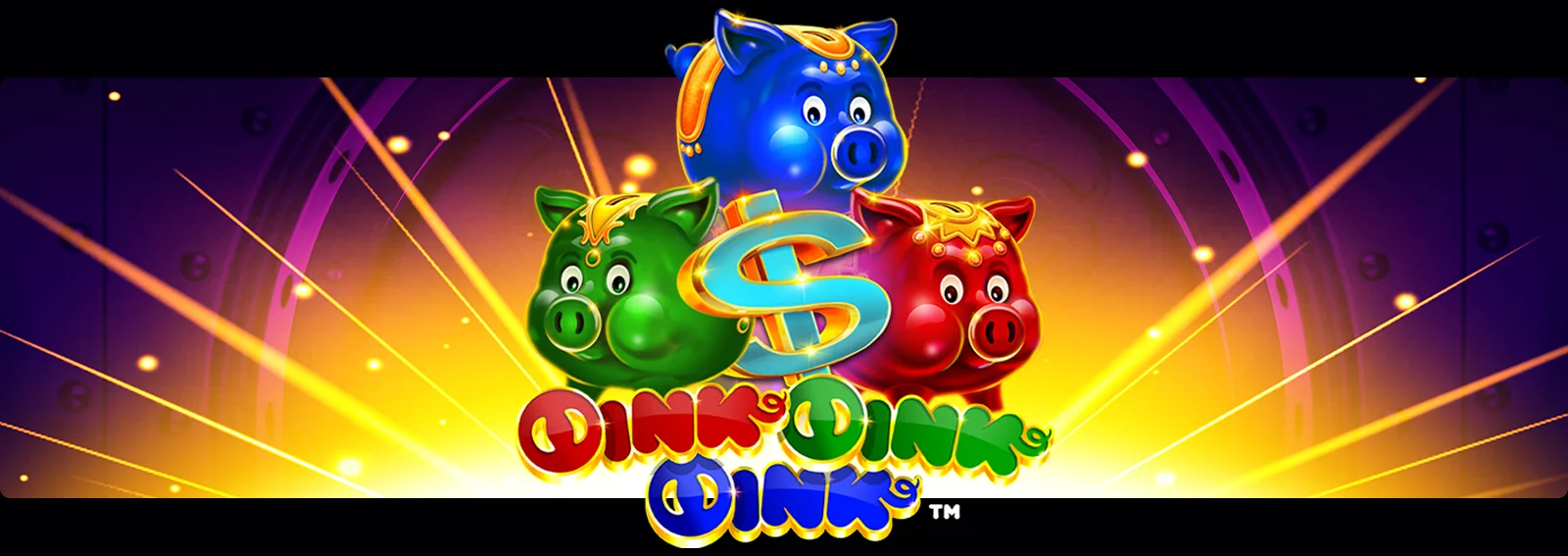
Your actual and emotional space has a significant impact on your play. Use visualization to create your perfect setup before you begin. Picture yourself in a relaxing spot, without distractions. Envision your device is totally charged. You have a drink close. You’ve told anyone who might need you that you’ll be occupied for a bit. Psychologically rehearse shutting those extra browser tabs and muting your phone notifications. Visualising a focused gaming session puts you in the proper headspace. It indicates your brain it’s time to concentrate on the basic enjoyment of playing Oink Oink Oink.
Go further than the physical https://oinkoinkoink.net/. Imagine your emotional state. See yourself starting the game feeling serene and understanding. You’re viewing it as paid entertainment. Picture ignoring the first few non-winning spins, preserving your calm mood. This technique creates a buffer against frustration. By pre-visualizing a constructive and tough attitude, you make it your standard setting for play. A controlled environment, both outer and internal, allows you completely savor the game’s appealing look and clever features.
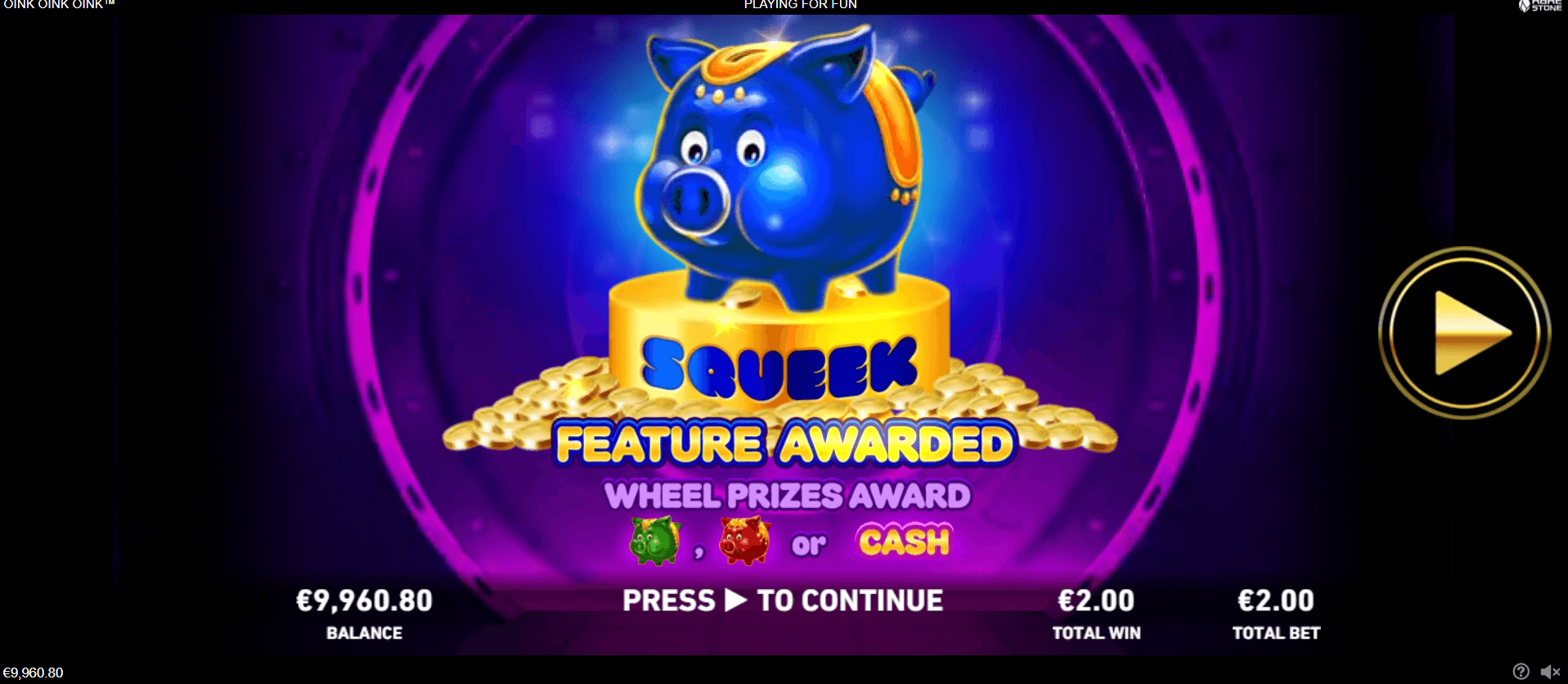
You can take this a step further by visualizing a pre-game ritual. This could be a short period of heavy breathing while you picture a successful, regulated session. The ritual itself becomes a catalyst for the attentive state you want. Also, picture the last step of your environment setup. Imagine setting your phone in another room, screen down. Visualize your session budget noted on a piece of paper as a physical reminder. A thorough mental run-through like this makes sure your real environment aids your goal of attentive entertainment.
Adding Mindfulness and Post-Session Reflection
Finally, weave mindfulness into your visualization practice. Before playing, take a moment to picture being fully in the moment for each spin. Notice the animations and sounds without instantly judging the outcome. This cultivates a mindful method where you discover enjoyment in the process itself. Picture yourself observing wins and losses with a degree of detachment, regarding them as part of the game’s natural cycle. This assists keep your emotions stable. It stops you from chasing losses or being carried away by wins.
After your visualisation practice, and after real gameplay, allocate time for mental review. Picture assessing your session against your initial targets. Did you follow your budget? Did you enjoy the features? What worked? This objective mental debrief, done in a calm frame of mind, converts every session into a learning experience. It reinforces good habits and softly corrects errors without any harsh self-criticism. The process of pre-session visualisation, mindful play, and post-session reflection creates a comprehensive, mature approach to enjoy Oink Oink Oink.
Give this reflection more structure through visualization. Imagine yourself with a simple mental list: Bankroll, Enjoyment, and Composure. Review each point, imagining the evidence from your session. If you departed, envision the alternative response for next time. Do this without any negative feeling. Furthermore, visualize the act of noting a note about your session in a simple app. The objective isn’t to compulsively track wins and losses. It’s to record your emotional state and any useful notes about strategy. This final act of visualised reflection completes the loop. It turns you an active participant in your own gaming.